Next · Flood
The deciding variable is the saturation of the catchment before the rain.
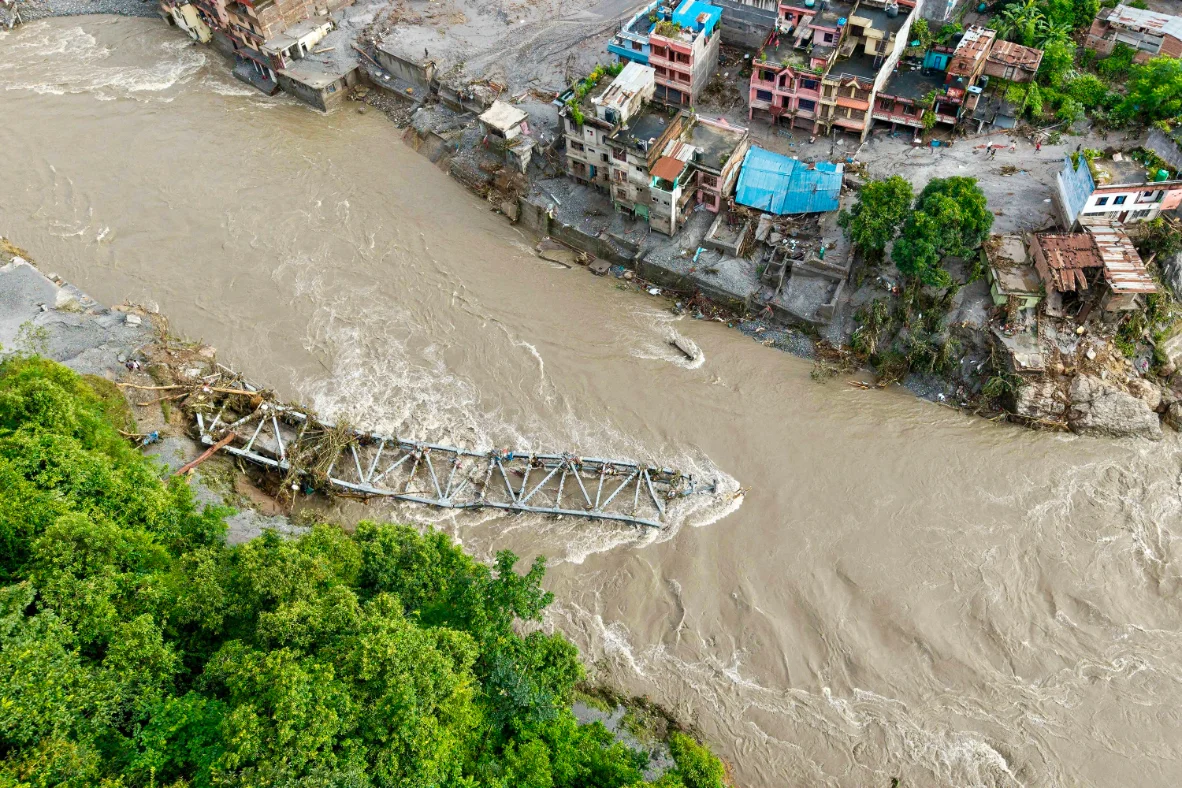
The same rain on the same catchment floods one year and does not the next; the difference is the water already in the ground. Flood models take it from coarse satellite products. Pyrome's flood model measures it through the profile, across the catchment, hourly, beside the floods that follow, and returns a date, a magnitude, an extent and a loss per reach.
Then · Storm
The deciding variable is the condition of what stands in the wind.
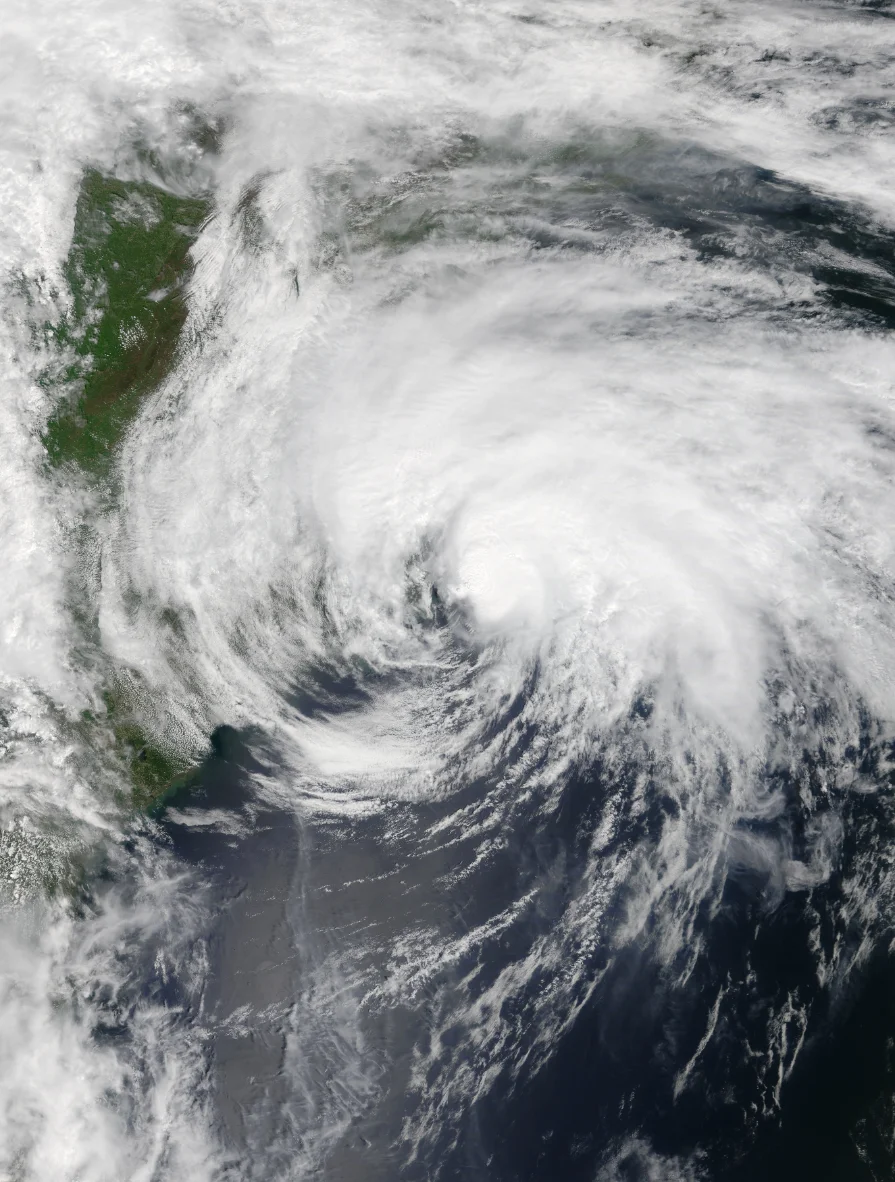
Wind is forecast well and far ahead. What it does to a network or a forest edge depends on the condition of what stands in its path, which storm-loss models treat as static. Pyrome's storm model measures it under the storm track and names the spans and stands that will fail, ahead of the wind.
Sequence
Each phase retires one uncertainty before the next is funded.
01
Get fire right
A forecast issued before a fire, matched to the image of that fire on the forecast date.
02
The United States
Reference sites and a season of calibration, outward from the fuels most like the training ground.
03
The next landmass
The closest fuel and climate analogues to the estate, where institutions already act on fuel.
04
The next hazard
A second landmass for flood once fire is proven, then storm.
If it holds, the company that results is not a wildfire company but the ground-truth layer under every catastrophe model in the world. Everyone else stops at risk. We name the date.