The decision
A fuel-measured trigger moves the operating decision from a region to a circuit.
Today the high-risk protocols in a mitigation plan are triggered by weather, because weather is the only forward signal, so power is cut to a region for a circuit-level problem and line is hardened on every mile because the mile that will ignite cannot be named.
With a date on every segment, the section through fuel that reaches its date this week is inspected, cleared or de-energised on the day the wind turns, and the rest of the network stays live. The subscription is a rounding error against a single ignition.
The network on the hectare grid, with a date on every segment that has one.
01
Segments through dated fuel
Every span on the hectare grid; the earliest date, the window, the path and intensity beneath it.
02
A second trigger
Fuel state at the segment, measured and mapped, beside the weather thresholds the plan already uses.
03
The queue, reordered by date
Inspection, vegetation and contractor scheduling ordered by forecast date, not by age or district.
04
The season, scored
Ignitions against the forecasts that preceded them, by segment, with the accuracy for the service area.
Compliance
A standard of care, written into the plan you already file.
The forecast enters the mitigation plan as a fuel-measured trigger, as the ordering rule for the queue, and as the documented basis for a circuit-level rather than regional shutoff. The ledger of which segments carried a date, when, and what was done about each is the record a commission, a court or an insurer will ask for after the season. Transmission corridors and cooperatives are covered the same way, span by span.
Add-on
Treat the fuel under the line, not only the line above it.
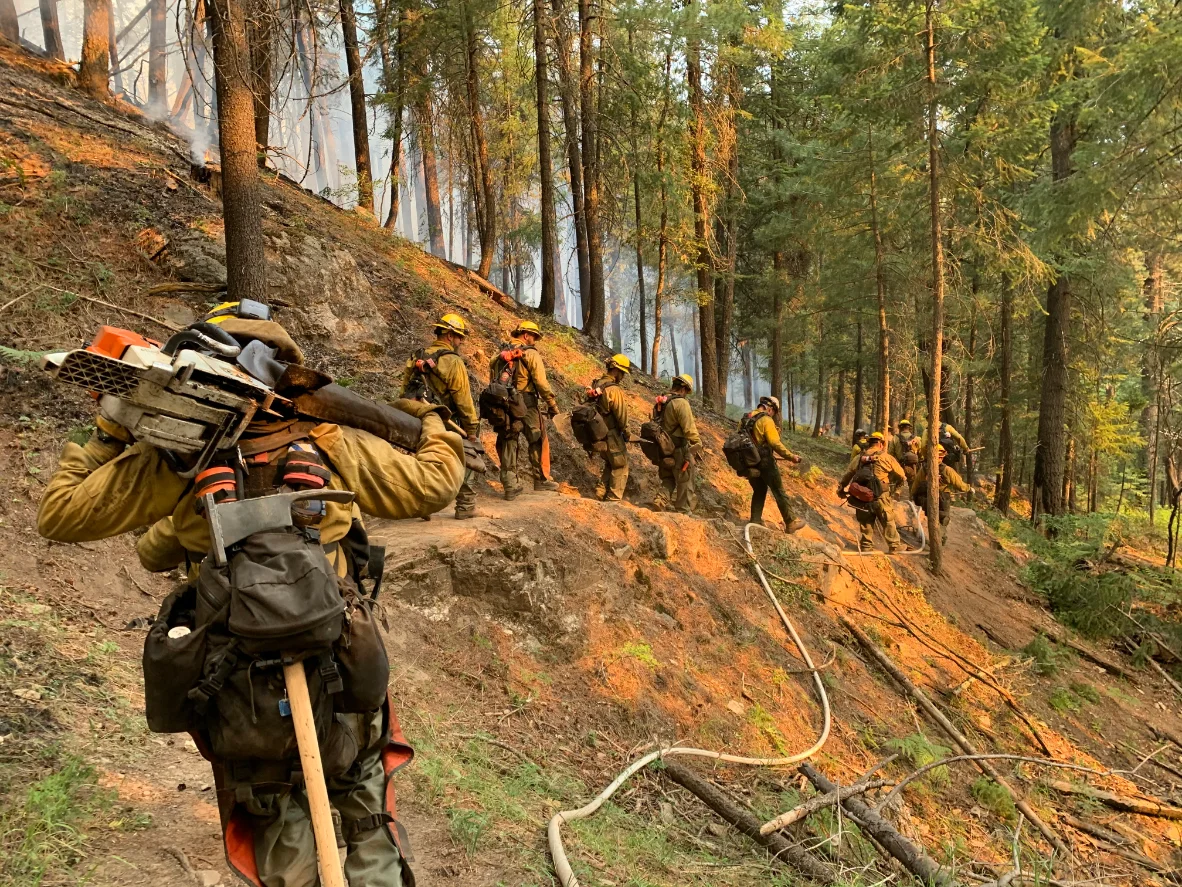
Your crews work the segment. The fuel beneath it belongs to a landowner, the verge to a county, the burn permit to an agency. On the Intervention Plan a named agent works those counterparties along your corridors before the date, and the ledger lands in the mitigation-plan file.
How the plan works →